

What is a carbon footprint? Carbon footprint is a term that is often mentioned in today's environmental issues. But what exactly is a carbon footprint? In this article, we will introduce the concept of carbon footprint in a concise way, take you to understand the main factors and methods of carbon footprint calculation, and explore ways to reduce carbon footprint. Finally, we will discuss the importance and impact of carbon footprint calculation method.
What is a carbon footprint?
What is a carbon footprint? It refers to the total amount of greenhouse gases emitted by individuals, organizations or products during the production and consumption process, usually measured in the equivalent amount of carbon dioxide. These greenhouse gases include carbon dioxide, methane, fluorine, etc., which have an impact on the earth's temperature and climate change.
Carbon management capabilities
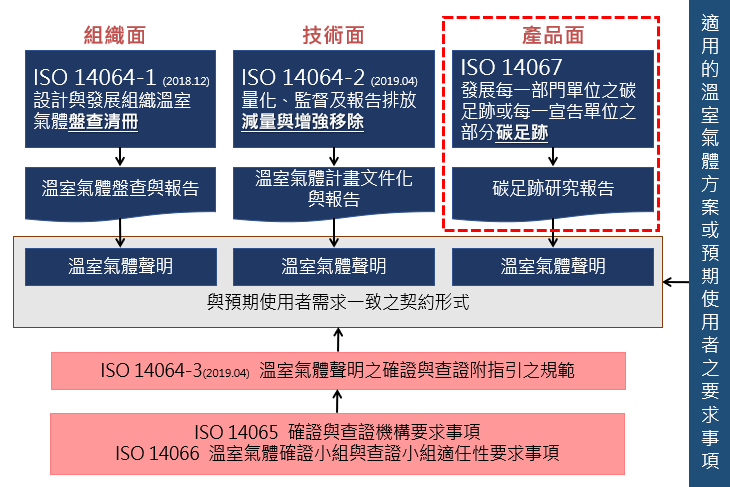
In terms of carbon management capabilities, ISO14067 is an indicator standard that can be regarded as a current inventory of carbon footprints. This system is mainly based on consumer products, and the footprint calculation extends to the supply chain, so the scope of ISO14067 is often applied for by product type.
Understand what a carbon footprint is from the basics of how it is calculated
Now that you understand what a carbon footprint is, the next thing to understand is the basis of how it is calculated. For consumer products or products produced by organizations, the carbon footprint calculation method is based on activities that generate greenhouse gases, including energy use, transportation, food production and consumption, etc. The greenhouse gases released by these activities are converted into carbon emissions and expressed as equivalent amounts of carbon emissions.
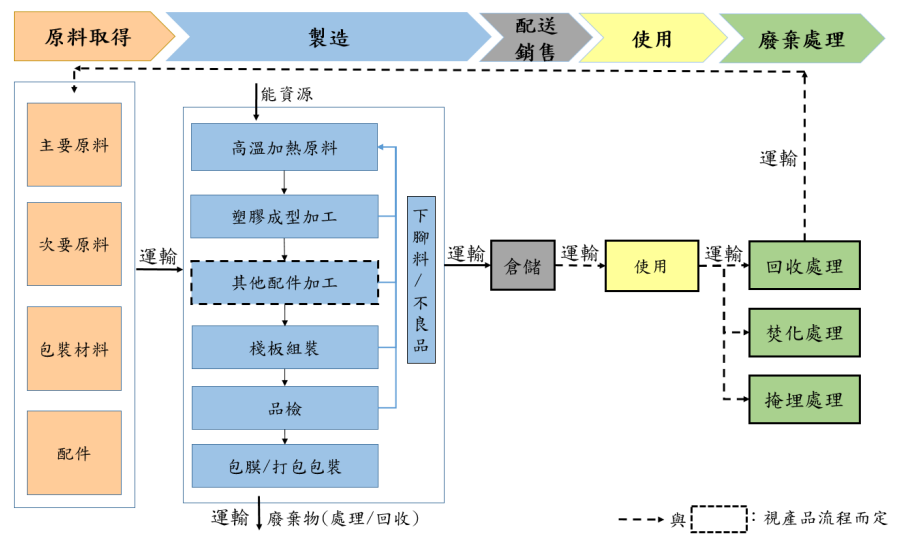
Taking a factory product as an example, the carbon footprint calculation method is a life cycle concept, such as every link from raw material acquisition to disposal, that is, from the raw materials obtained or produced by natural resources to end-of-life treatment, the compilation and quantification of all inputs and production involved is the basis for our calculation of carbon footprint. At present, ISO14067 is a very complete system architecture for the quantification and reporting of product carbon footprint (CFP).
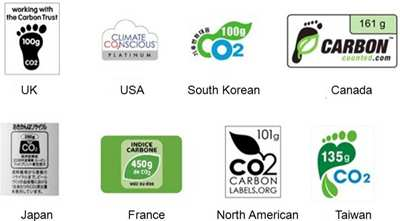
It is also currently followed by many carbon footprint labels. Organizations must first obtain relevant verification qualifications, such as ISO14067, before they can obtain a carbon footprint label and mark it on their products.
International carbon footprint labels:
Main factors and methods of carbon footprint calculation
The main factors for calculating carbon footprint include energy consumption, transportation methods, eating habits, consumption of goods, etc. Methods include using carbon footprint calculation tools, analyzing energy use, monitoring transportation modes, evaluating dietary choices, and more.
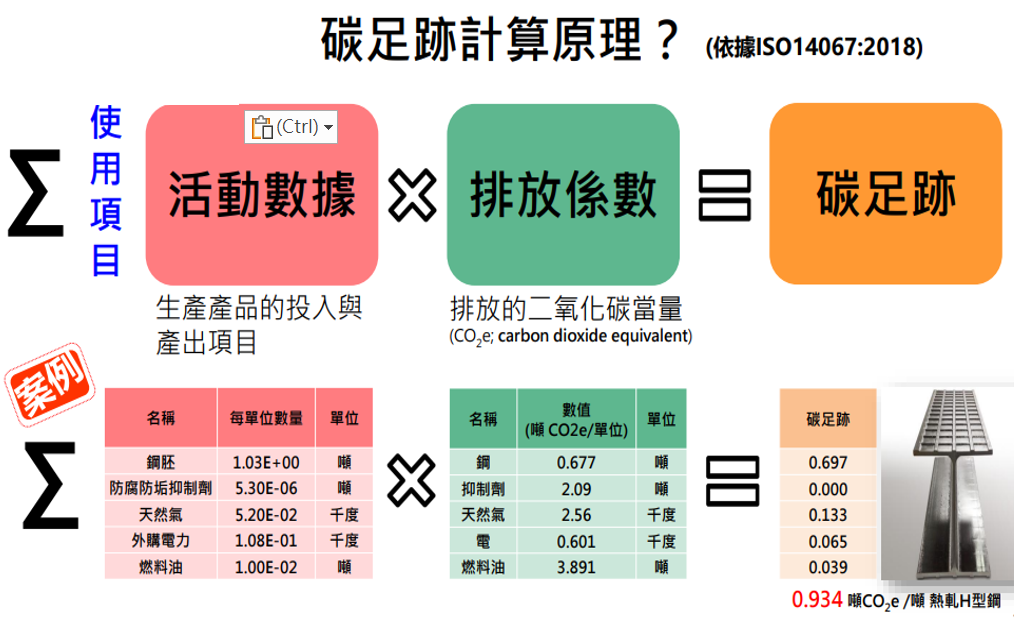
Simply put, carbon footprint = the total greenhouse gas emissions produced by a product or service throughout its life cycle, expressed in CO2 equivalents (CNS 14067 3.1.1.1)
First, establish: Purpose and scope definition: Confirm that the purpose of performing carbon footprint calculation is to seek product carbon reduction opportunities, green the supply chain and form a Green Partner with the supply chain, or continuously improve carbon reduction... etc. This determines which unit processes should be included in the product carbon footprint assessment.
Next is the process flow chart: a product life cycle process map is constructed based on scope definition, which may include input and output items such as all raw materials, energy, and waste from raw materials to waste treatment.
Then data collection: Data collection is carried out based on the input of various raw materials, energy and resources involved in the product production and manufacturing process, as well as the output of various wastes (air, water, waste).
Final carbon footprint calculation: Use project emission coefficient (provided by the supply chain) ╳ activity data (all usage data in the production process of the target product) related to all materials, energy, and emissions in the product life cycle
Ways to reduce your carbon footprint
To reduce the carbon footprint, this can be achieved by saving energy, improving transportation, adopting a low-carbon diet, and reducing consumption of goods. This includes using energy-saving appliances, taking public transportation, choosing local and seasonal ingredients, purchasing environmentally friendly products, and more.
The Importance and Impact of Carbon Footprint Calculation
Calculating carbon footprints can help individuals and organizations understand their carbon emissions and realize their contribution to climate change. By reducing carbon footprint, we can slow down the speed of climate change, protect the global environment and ensure sustainable development in the future.
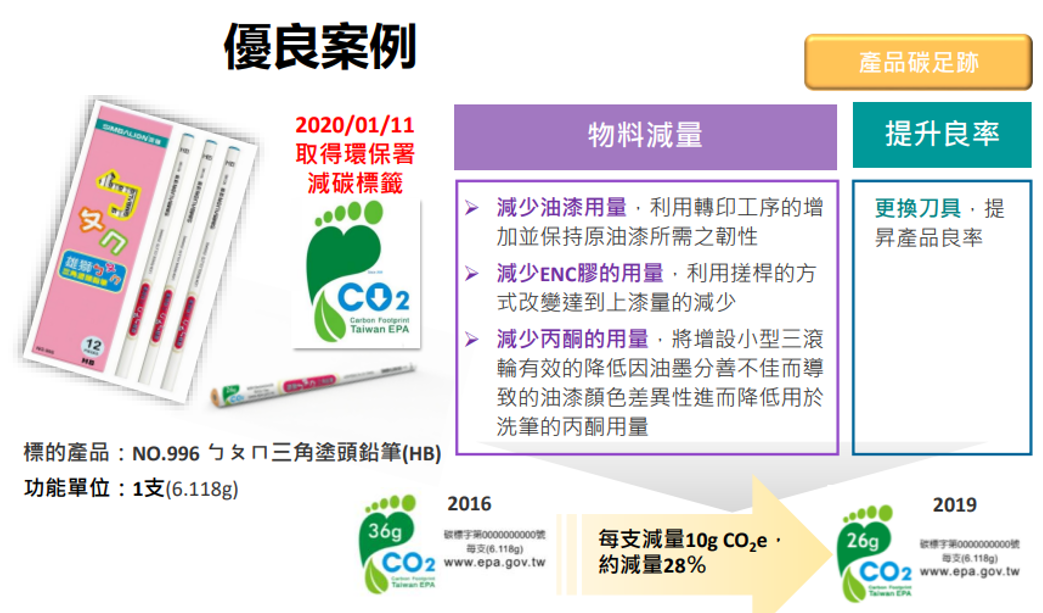
All in all, the carbon footprint calculation method is an important environmental management tool that helps us realize the impact of our actions on the global environment and provides ways and methods to reduce carbon emissions. By calculating our carbon footprint, we can work together to create a cleaner, healthier planet.
After the final ISO14067 verification, there will be a complete carbon footprint report, including scope, methods, calculation data and evaluation results. After verification by the verification unit, an ISO 14067:2018 verification statement will be issued. After obtaining the carbon footprint certification of the verification statement from a third-party impartial organization, it can be used as the basis for applying for a "carbon label" and the product carbon emissions will be marked on the product. The data from this survey can also be used as evidence for obtaining a "carbon reduction label" in the future.
Further reading:
What is carbon neutrality? Understand the differences and importance of carbon neutrality and net zero emissions 3 minutes to read
One-stop solution provider
Mingzheng Management Consultants give you the most professional guidance and verificationServe
The coaching consultant team includes industry executives, leading auditors of verification companies, industry lecturers, etc., with decades of experience.
Welcome to contact us in the chatbot at the bottom right, or click this phone number directly to call 0921058648!