

With the global focus on carbon reduction, corporate greenhouse gas inventory has become an important foundation for achieving net-zero emissions. This article will provide you with a comprehensive guide to the greenhouse gas inventory process, master the following six key points, and provide practical steps to help you easily cope with the challenges of greenhouse gas inventory.
Step 1: Set the inspection boundaries
Important tips: Determine the scope of the enterprise inventory, which may include the entire enterprise, a single enterprise or a specific process.
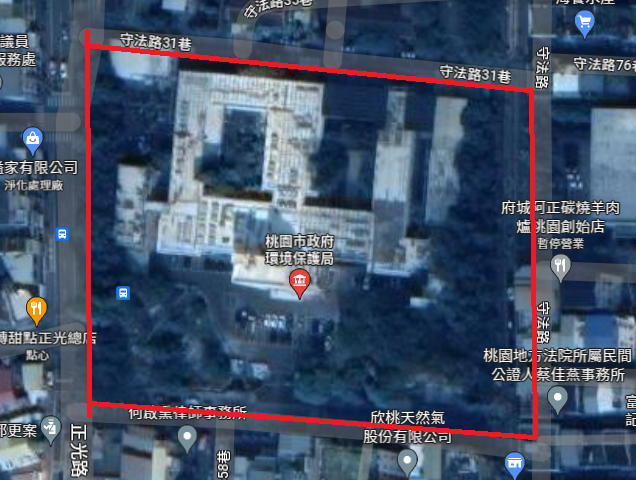
When conducting the greenhouse gas inventory process, the scope of the inventory must first be determined, which is the basis for a comprehensive inventory. Businesses can set boundaries based on their own needs and the norms they follow. Boundaries can be set to cover the entire enterprise group, or they can be limited to a certain office building or a specific production process. Correct boundary setting helps to accurately calculate a company's greenhouse gas emissions and provides a basis for subsequent carbon reduction plans.
- Determine the scope of the inspection based on government or international supply chain regulations.
- Set inventory boundaries, such as a corporate group, a single factory, or an office building.
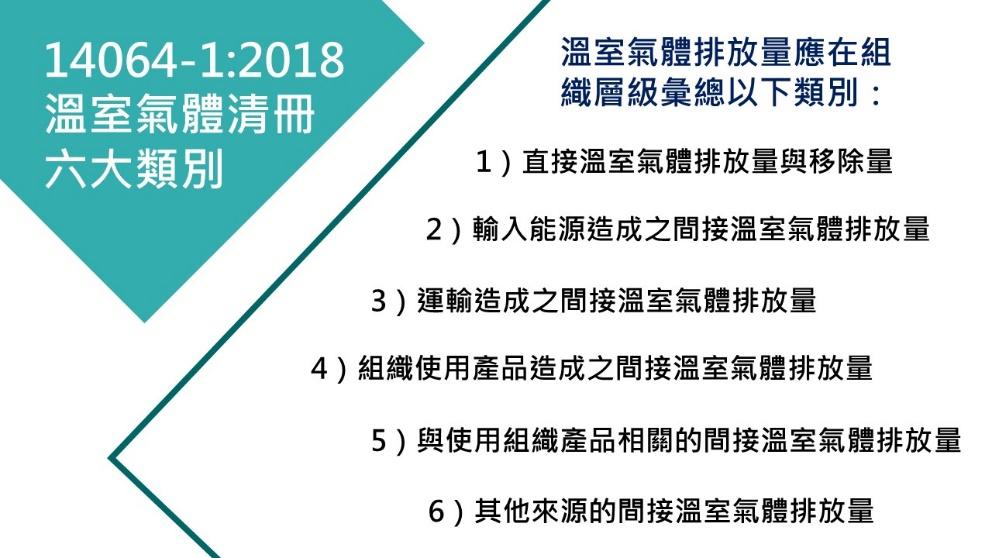
Step 2: Identify direct and indirect emission sources (Categories 1-6)
Important tips: Identify all greenhouse gas emission sources within the enterprise, including direct emissions and indirect emissions.
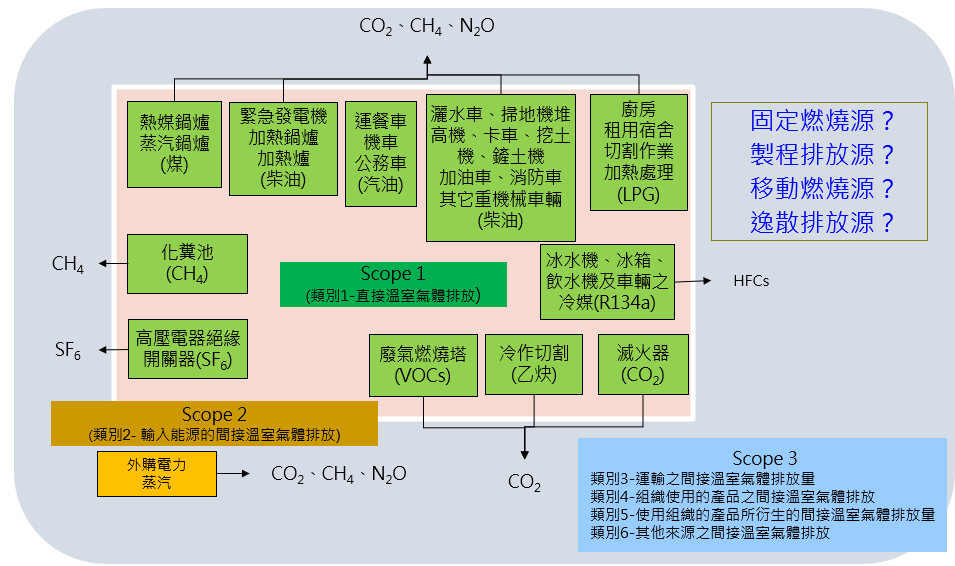
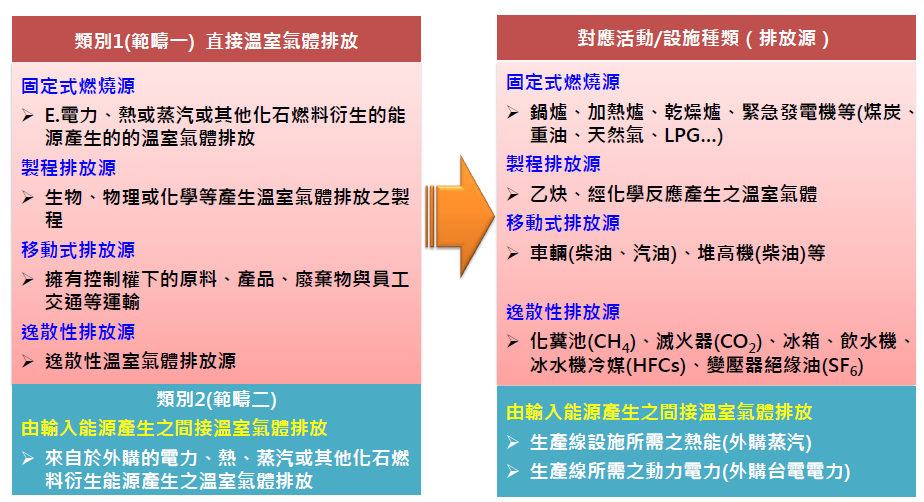
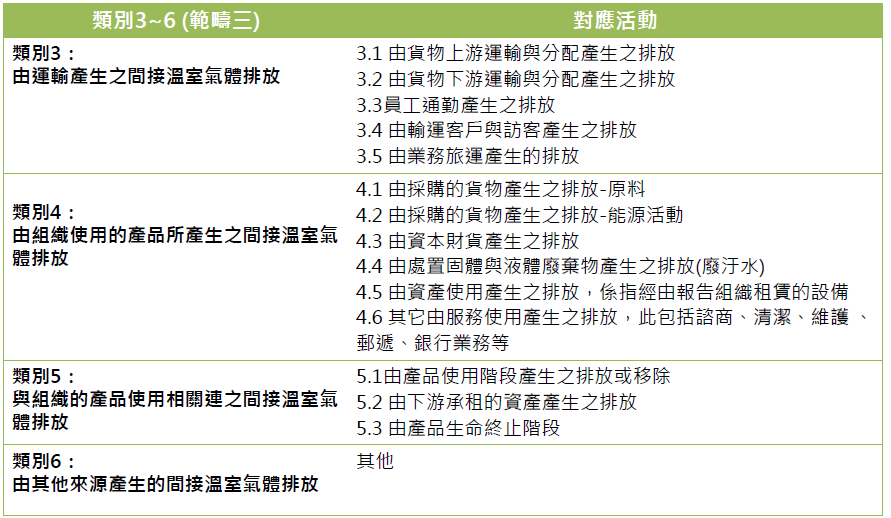
Emission source identification is one of the key steps in the greenhouse gas inventory process. Companies need to comprehensively identify all possible sources of greenhouse gas emissions, including direct and indirect emissions. Direct emission sources include factory boilers, process operations, and transportation vehicles, while indirect energy emission sources come from equipment that uses electricity or steam. Enterprises also need to identify other indirect emission sources based on actual needs, such as employee commuting, logistics and transportation, etc., to ensure the comprehensiveness and accuracy of the inventory.
- Identify direct emission sources such as boilers, process operations, and vehicles.
- Identify sources of indirect energy emissions, such as equipment that uses electricity or steam.
- According to needs, identify other indirect emission sources, such as employee commuting and logistics transportation.
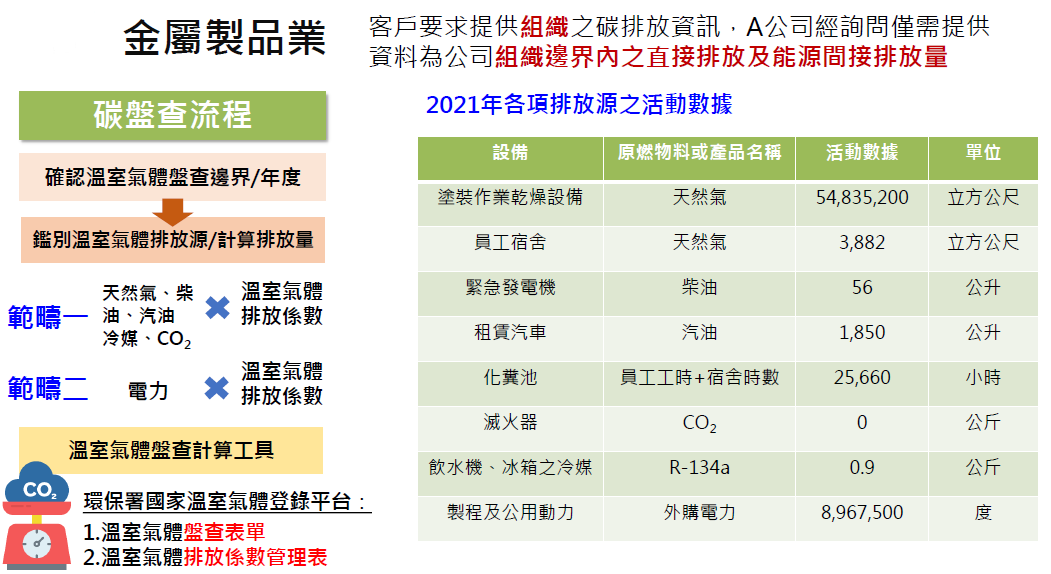
Step 3: Data Collection and Emission Calculation
Important tips: Collect activity data on the use of emission sources, ensure the integrity and accuracy of the data, and calculate the greenhouse gas emissions of each emission source based on the collected data.
After identifying emission sources, companies need to collect relevant activity data. These data include the use of fossil fuels, refrigerants, purchased electricity and purchased steam. Companies should ensure the completeness and accuracy of data to facilitate subsequent emissions calculations. In the process of collecting data, it can be recorded through purchasing documents, instrument measurement data and other data sources. These data will provide an important basis for accurate calculation of emissions.
Emissions calculation is the core step of the inventory work. Enterprises need to choose an appropriate emission calculation method. Common methods include the emission coefficient method, the mass balance method and the direct monitoring method. After selecting a method, the greenhouse gas emissions from each emission source are calculated based on the collected activity data and converted into carbon dioxide equivalents. This allows different types of greenhouse gas emissions to be compared and analyzed under the same standard.
- The usage of fossil fuels, refrigerants, purchased electricity and purchased steam is collected.
- Record relevant purchasing documents, instrument measurement data and other data sources
- Choose appropriate emission calculation methods, such as emission coefficient method, mass balance method, and direct monitoring method.
- Calculate greenhouse gas emissions from each emission source and convert them into carbon dioxide equivalents.
Step 4: Implement data quality management to reduce inventory errors.
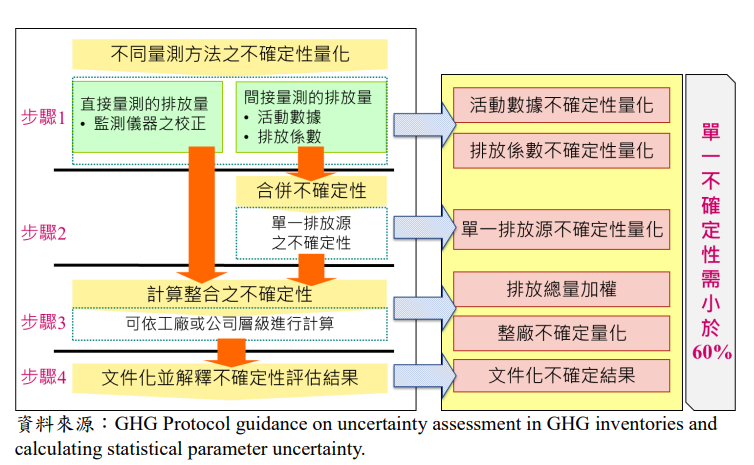
Important tips: Manage the quality of inventory data to ensure the accuracy and reliability of the data.
Data quality management is an important guarantee to ensure the accuracy of the results of the greenhouse gas inventory process. Enterprises need to establish a data quality management system to regularly inspect and verify the collected data to ensure the accuracy and reliability of the data. At the same time, companies should record the sources and calculation processes of all data in detail to ensure the traceability of these data and processes so that they can be verified and audited when necessary.
- Establish a data quality management system to conduct regular inspection and verification of data.
- Record all data sources and calculation processes to ensure traceability.
Step 5: Documentation and Recording
Important tips: Document the methods, data, procedures, etc. in the inventory process to provide internal and external verification basis.
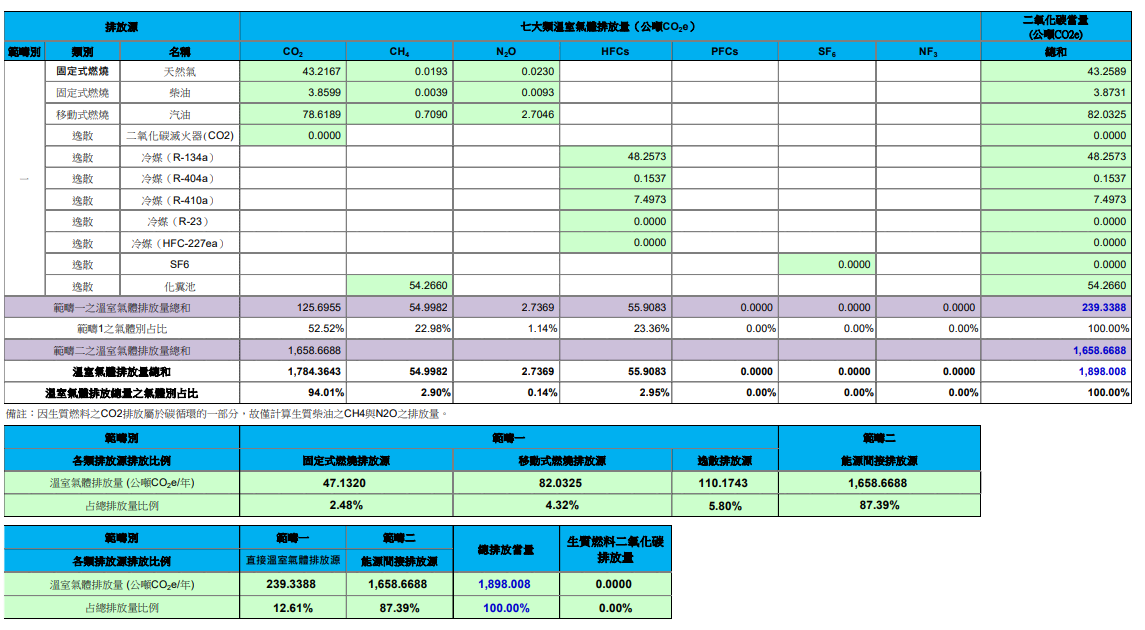
Documentation and recording are an integral part of the greenhouse gas inventory process. Enterprises need to keep detailed records of methods, data, procedures, systems, assumptions and estimates during all inventory processes. These records can be saved in the form of paper, hard disk or cloud hard drive. Prepare an inventory report and record in detail the scope of the inventory, identification of emission sources, calculation of emissions, etc. These documents are not only important information for internal management, but also an important basis for external verification.
- Record all information during the inventory on paper, hard drive or cloud drive.
- Prepare an inventory report and inventory to record in detail the scope of the inventory, identification of emission sources, calculation of emissions, etc.
Step Six: Conduct internal and external verification and obtain a third-party statement.
Important tips: Ensure the authenticity and reliability of inventory results, and improve transparency and trust through internal and external verification.
Internal and external verification is a key step to ensure the authenticity and reliability of the inventory results. Internal verification is conducted by the company's internal audit team, which regularly reviews the inspection results to discover and improve possible problems. External verification is carried out by an independent third-party verification agency, which conducts an independent review of the inspection results to improve the transparency and trust of the results. This not only ensures data accuracy, but also improves the company's image and trust among the public and investors.
- Internal verification: Organize an internal audit team to regularly review the inspection results.
- External verification: Hire a third-party verification agency to conduct an independent review of the inspection results.
Read more:Greenhouse Gas and Carbon Footprint Inventory
Comprehensive analysis of the six categories of greenhouse gas inventory
One-stop solution provider
Mingzheng Management Consulting provides you with the most professional coaching and verification services