
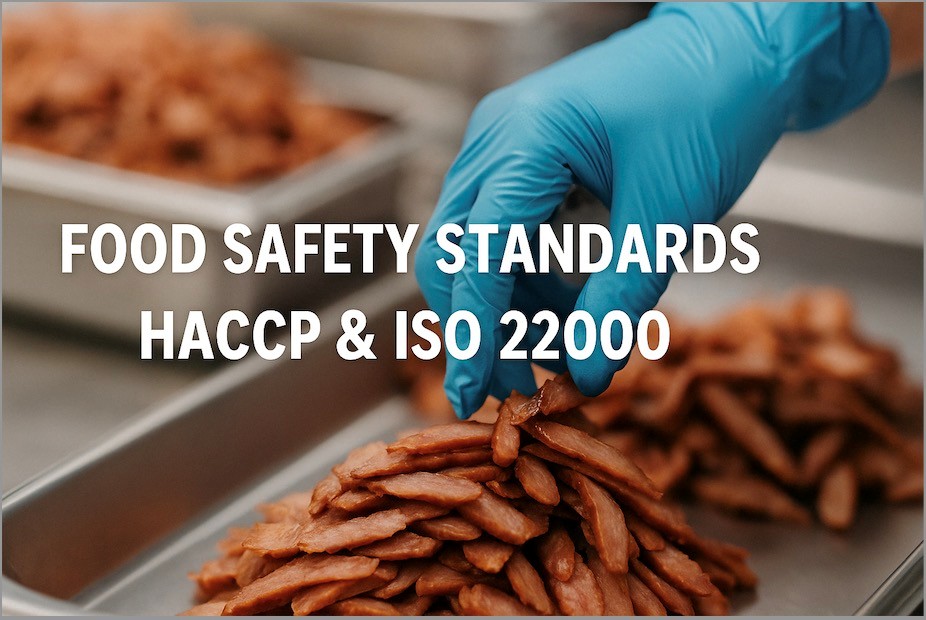
In today’s food industry, safety and compliance are under tighter scrutiny than ever. Food companies are expected to manage risks, keep production clean and consistent, and follow international standards. Even one mistake can lead to serious health issues and damage a brand’s reputation. That’s why certifications like HACCP and ISO 22000 are so valuable. They help businesses build trust, meet customer and government expectations, and stay competitive in a fast-changing market.
Company Background – Sauce Manufacturer
This renowned Taiwanese BBQ satay sauce manufacturer has built a strong reputation over the years, serving restaurant chains, institutional catering clients, and international markets. However, as food safety standards continue to rise, the company faced increasing pressure to meet strict government food safety requirements, institutional catering needs, and labeling regulations. In response, the company decided to adopt HACCP and ISO 22000 to meet these expectations and improve their competitive edge.
Challenges Before Certification
Before implementation, the company struggled with multiple issues—such as incorrect ingredient ratios, hygiene issues in production, disorganized documents, and a lack of employee training. Customer complaints were frequent. On top of that, employee turnover was high, and inconsistent staff capabilities made it hard to run and improve internal systems.
Why chooseminjeng
This was the first time the company had sought international certification. They had never hired a consulting firm before, so choosing the right partner was crucial. Mingzhi stood out with its practical experience in ISO 22000, structured processes, and pragmatic on-site support style. Their pragmatic attitude won the trust of the team. Mingzhi provided full-scale support, from system setup and employee training to process improvement and legal compliance.
Minjeng’s Food Safety Services
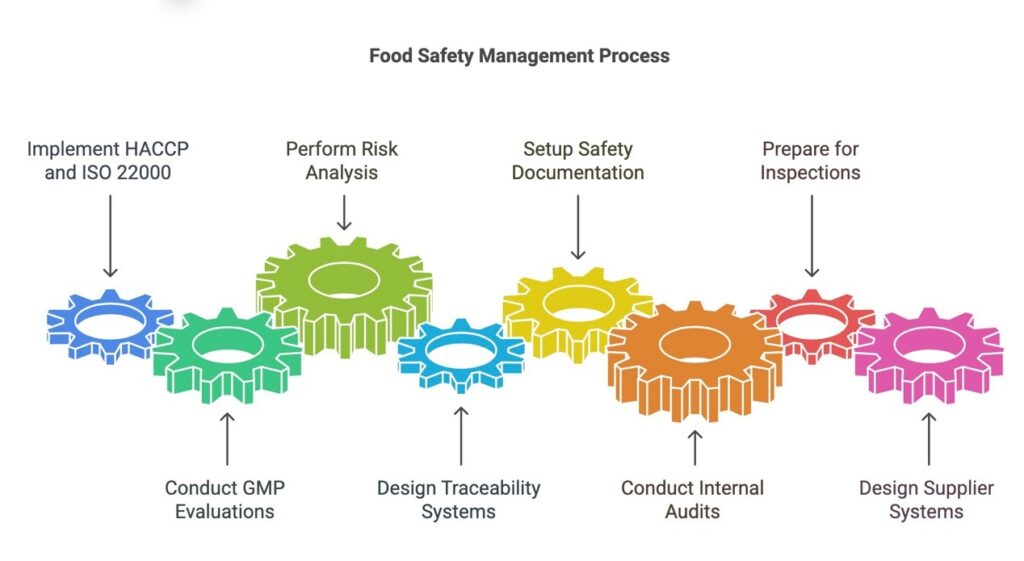
Minjeng offers comprehensive and in-depth consulting services for the food industry, including:
- HACCP and ISO 22000 implementation and training
- On-site GMP evaluations and corrective plans
- Food safety risk analysis (PRP, OPRP, CCP)
- Design of traceability and recall systems
- Setup of safety documentation (manuals, procedures, forms)
- Internal audit coaching and mock audits
- Preparation for customer factory inspections
- Food safety system design for suppliers
All services are delivered by a team of consultants with practical experience and international auditing credentials, helping businesses not only achieve certification but also internalize food safety culture.
Minjeng’s Consulting Strategy : From Food Safety to Company Culture
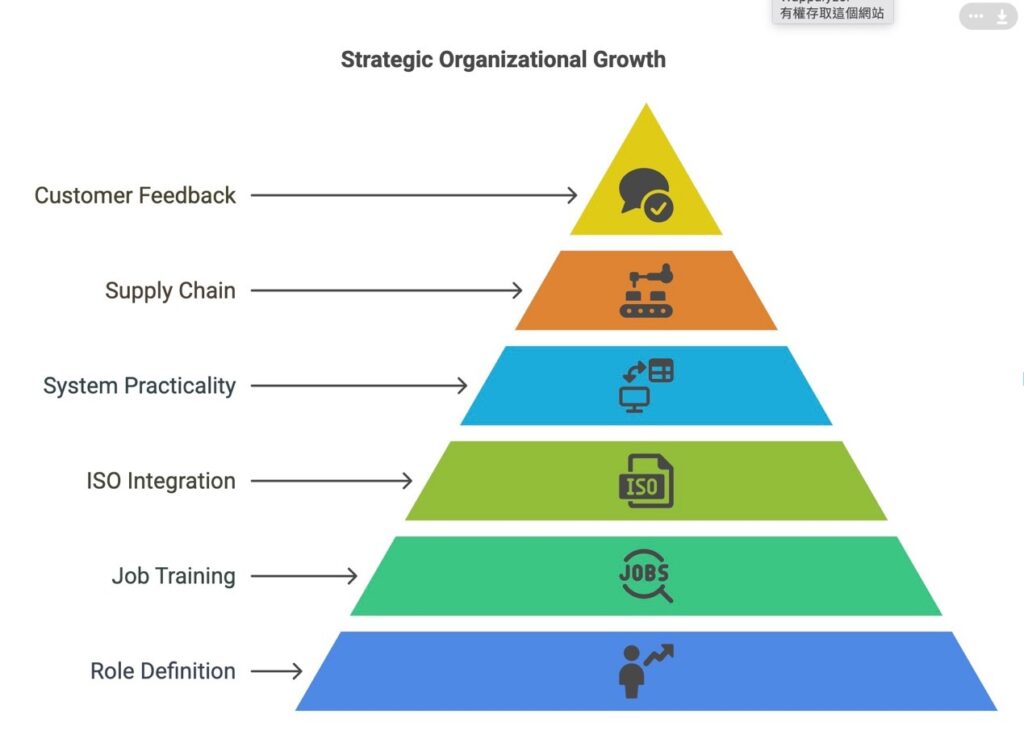
Throughout the certification journey, Minjeng went beyond document delivery—they helped embed food safety into the company’s core management and cultural foundation. Their strategic approach included the following key areas:
1. Define roles and growth paths
Mingzhi worked with the company to clarify the responsibilities and job descriptions of each department. They also helped design a promotion system so that employees can clearly understand their future career development path. This system helps reduce employee turnover and improve overall stability.
2. Job-Based Training
Mingzhi has designed different training programs for all levels of employees, from factory workers to managers. These courses use simple visuals and real-life examples to explain technical terms such as critical control points (CCPs), risk assessment and verification steps.
3. Integrating ISO as a Strategy Tool
Mingzheng introduced tools such as FMEA, SWOT analysis, internal and external risk assessment, KPI setting, and legal tracking. More importantly, they helped leaders connect these tools with the company's long-term goals and change their mindset from "just meeting needs" to "leading the business with systems."
4. Making Systems Practical and Easy to Apply
To help frontline workers understand complex systems, Mingzhi uses everyday language, diagrams, and real-life scenarios. For example, they introduced a “skills grid” to help employees connect their capabilities with training needs and job evaluations.
5. Strengthening the Supply Chain
Stable delivery and traceability are critical to food safety, and the company has built strong relationships with key suppliers. They have also developed a joint contingency plan to respond to emergencies and ensure a stable supply of ingredients.
6. Using Customer Feedback to Improve Internally
MingZheng assisted the company in establishing a customer feedback survey system. The feedback was used to improve processes in various departments and enhance after-sales service. Over time, this strengthened customer loyalty and promoted continuous product improvement.
Mingzheng did not just deliver documents, but worked closely with the company to design a system that fits its daily operations. With a complete system, training and mindset, Minzheng helped the company lay a solid foundation for long-term quality and sustainable development.
The Results: HACCP + ISO 22000 Success
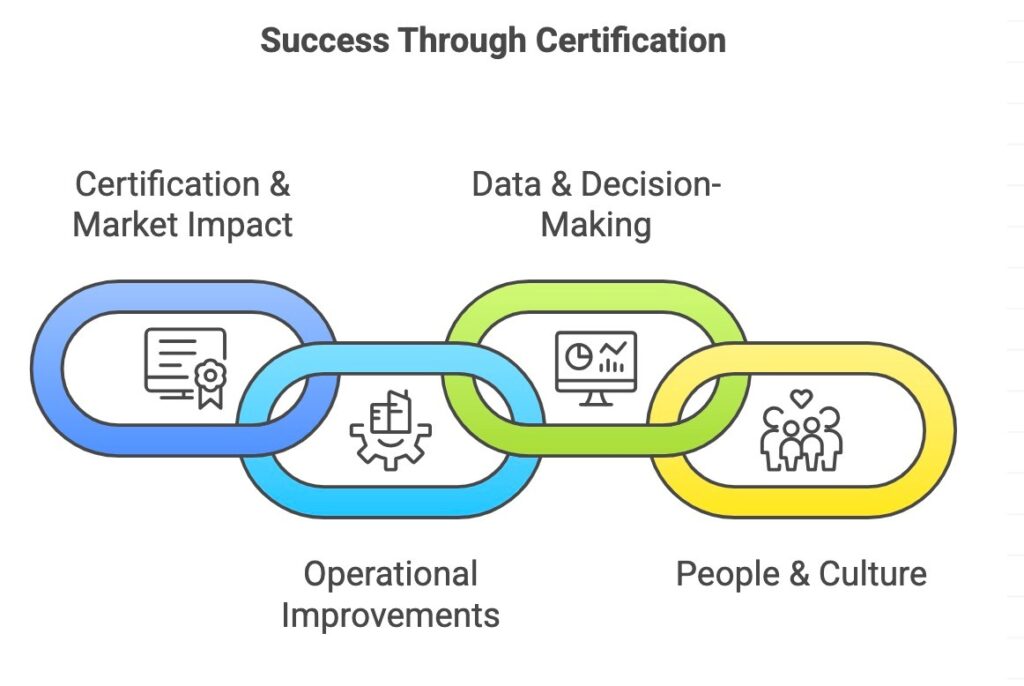
With the support of clear evidence, the company was certified to HACCP and ISO 22000. This was a huge boost not only in terms of food safety but also in internal management. This not only enhanced the company’s professional image but also helped it gain the trust of major clients. Eventually, they were awarded multiple government contracts and worked with several large food brands.
After certification, the team became much better at tracking documents and using data to make decisions. With better systems in place, the company moved from relying on experience to managing by standards. Every step in production, inspection, storage, and shipping became clearly defined, which reduced risks and improved consistency. Customer complaints went down, production became more stable, and employee awareness of food safety went up. Managers now use data to make decisions, helping the company build a culture of “leading with systems.”
This success showed that food safety systems aren’t just about passing audits—they can drive real, lasting business growth.
Looking Ahead
Looking ahead, the company plans to continue working with the Manufacture Group to achieve mid- to long-term goals. Their next focus is to transform food safety into comprehensive corporate sustainability. In the next three years, they plan to expand into supply chain management, ESG strategy and carbon footprint analysis to help Manufacture Group align with global food safety and sustainability standards.
In the years ahead, this satay sauce manufacturer is committed to working with Minjeng to reach the next level of sustainable business leadership—using systems and strategy to become a new model for the food industry.