
Carbon inventory certification is becoming more and more important in today's society with increasing environmental awareness. As business and government attention to climate change increases, so does the need for carbon inventory certification. This certification not only helps companies understand their carbon footprint, but also improves their market competitiveness and social responsibility. In addition, countries around the world have different requirements and policies for carbon inventories and carbon taxes, such as the CBAM Carbon Border Adjustment Mechanism (CBAM), which will be gradually implemented from 2023 and levy taxes on imported products based on their carbon emissions, aiming to prevent carbon leakage and ensure fair competition among companies inside and outside the EU.
What is carbon inventory certification??
Carbon inventory certification is a systematic process designed to calculate and report the greenhouse gas emissions or carbon footprint of a business or organization. This certification is based on international standards, such as ISO 14064 or ISO 14067, to ensure data accuracy and comparability. After a series of processes, including data collection and compilation, a certification certificate of international standards is finally obtained.
Why carbon inventory certification is important?
Carbon inventory certification is a preparatory task for carbon reduction, providing reliable data basis for enterprises and organizations. Companies with carbon inventory certification are more likely to gain favor from environmentally conscious customers and investors, and can stand out in market competition. In addition, these companies can better comply with the environmental protection policies and regulatory requirements of various countries.
How to obtain carbon inventory certification?
Carbon inventory certification process steps::
- Planning and scope setting: Determine the goals and scope of the carbon inventory, including emission sources and activities.
- Data collection: Collect relevant data such as energy consumption, transportation, waste disposal, etc.
- Data analysis and calculation: Use appropriate calculation methods and tools to convert data into carbon emissions.
- Report writing: Write a detailed carbon inventory report, describing data sources, calculation methods and results.
- Third-party audit and certification: A professional third-party organization will review the report to ensure the accuracy and consistency of the data, and grant certification.
Carbon inventory certificationChoose an accredited third-party audit agency
Choosing an accredited third-party audit agency, such as SGS, DNV, ARES, etc., can increase the credibility and international recognition of certification.
Carbon inventory certificationSuccess Stories
Share some successful cases of companies that have obtained carbon inventory certification and show how they improve their corporate image and market competitiveness through carbon inventory.
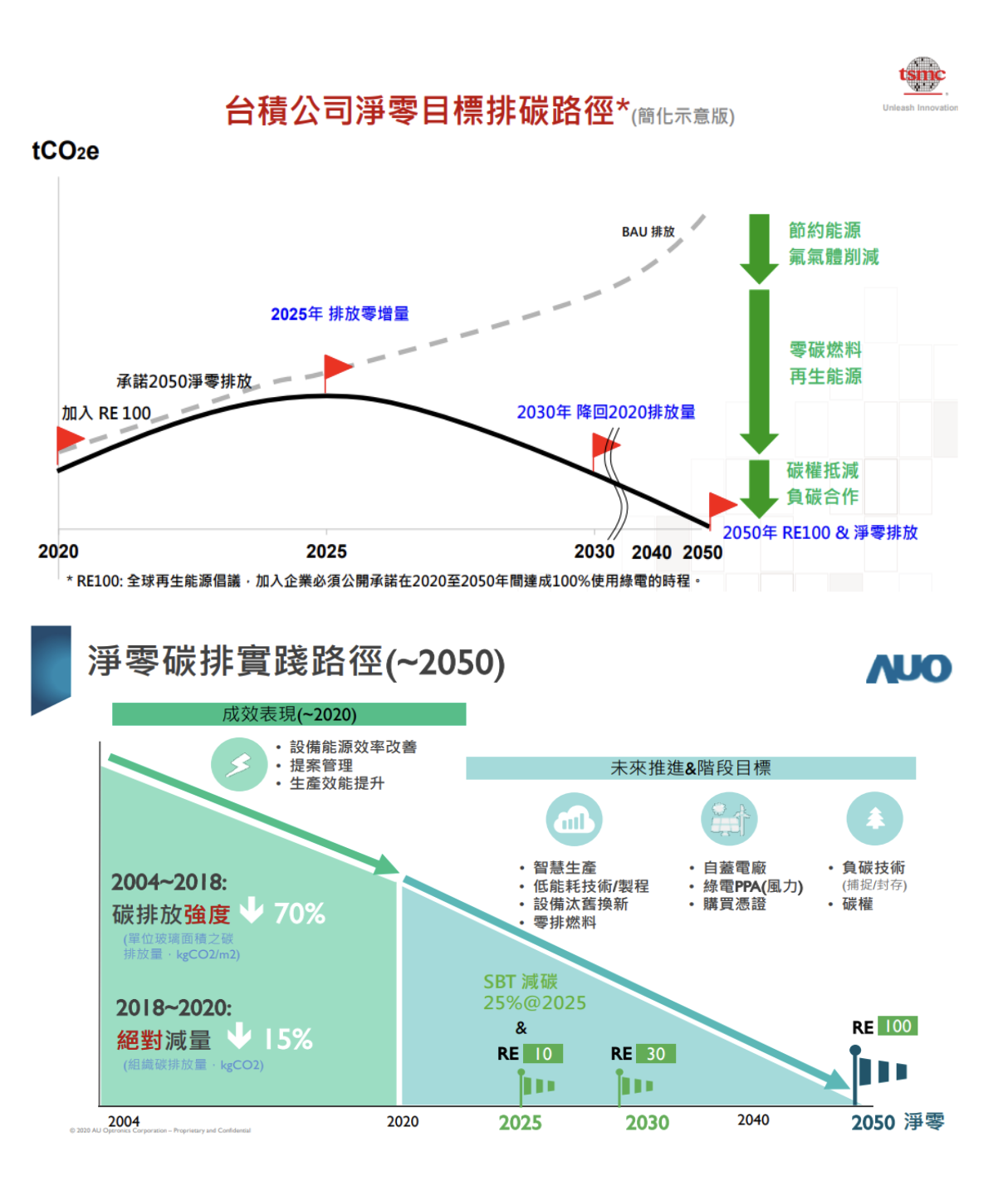
In conclusion
Carbon inventory certification is a crucial environmental protection initiative for companies and organizations. Obtaining carbon inventory certification can not only promote the sustainable development of enterprises, but also enhance their market competitiveness and reputation. It is hoped that more companies will pay attention to and participate in carbon inventory and contribute to environmental protection.
I hope this article can help you understand the importance of carbon inventory certification and the process of obtaining it, and encourage more companies to invest in environmental protection.
One-stop solution provider
Mingzheng Management Consultants give you the most professional guidance and verificationServe
The coaching consultant team includes industry executives, leading auditors of verification companies, industry lecturers, etc., with decades of experience.
Welcome to contact us in the chatbot at the bottom right, or click this phone number directly to call 0921058648!