1. What is the carbon inventory system?
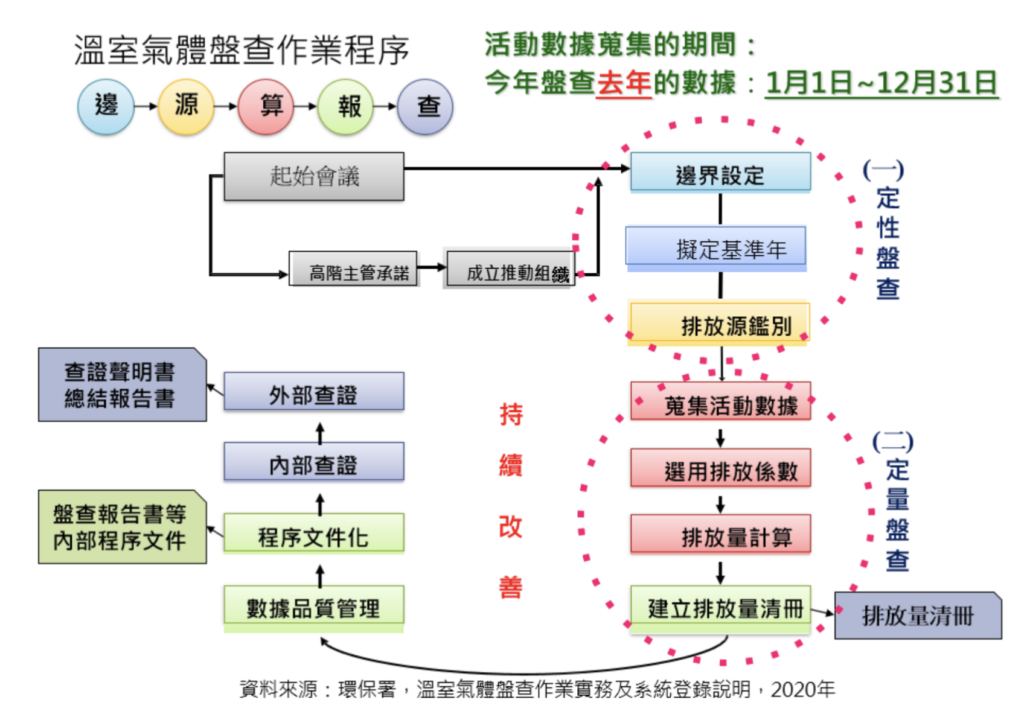
The Carbon Inventory System is a set of standardized tools for monitoring, calculating and managing greenhouse gas emissions, covering companies, organizations and products. Through this system, companies can fully understand their carbon emissions and take effective measures to manage and reduce emissions.
2. Core Standards of Carbon Inventory System
The carbon inventory system is mainly based on two international standards:
- ISO 14064-1: Greenhouse gas inventory standard for companies or organizations.
- ISO 14067: A standard that focuses on carbon footprint verification at the product level.
ISO 14064-1: Carbon emissions management at the organizational level
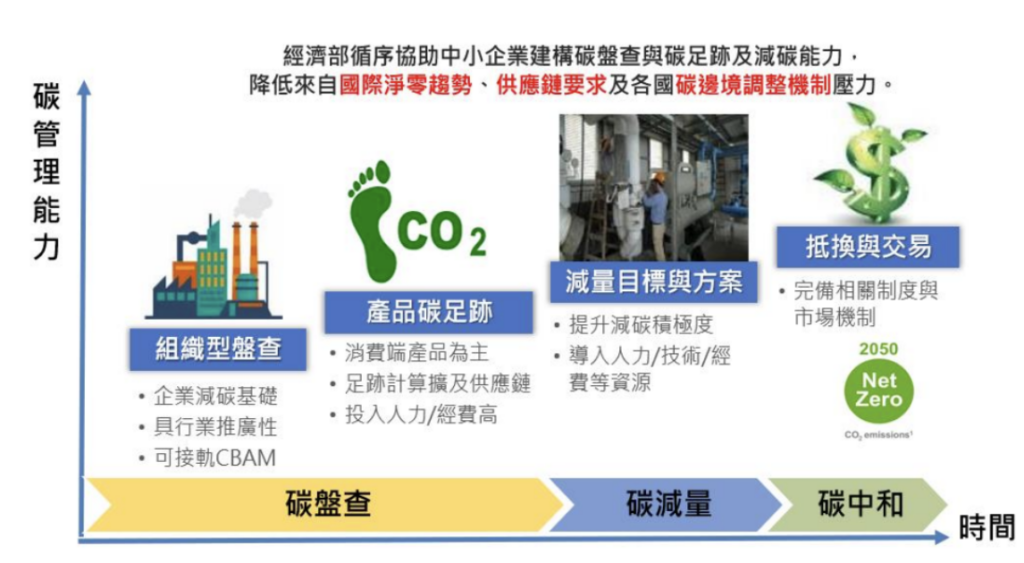
ISO 14064-1 is specifically designed for carbon emissions management at the enterprise or organizational level. This standard covers carbon emissions from all business activities of an enterprise, such as production, transportation and office, helping enterprises to fully understand and manage their carbon emissions.
ISO 14067: Carbon footprint assessment at product level
ISO 14067 focuses on carbon footprint assessment at the product level, covering the entire life cycle of a product from raw material acquisition to final disposal. This standard provides detailed carbon emissions quantification and management guidelines to help companies understand and manage the environmental impact of their products.
3. Main Purpose of Carbon Inventory System
The carbon inventory system can help companies and organizations improve their carbon inventory capabilities in many aspects:
- Quantification and monitoring of organizational carbon emissions: Through systematic quantification and management, companies can more effectively track and reduce carbon emissions.
- Comply with environmental regulations: Ensure that the company complies with relevant environmental regulations and avoid legal risks.
- Development of emission reduction strategies: Identify emission reduction opportunities and develop specific emission reduction measures.
4. Functions and application scenarios of the carbon inventory system
Diversified data collection and analysis
During the introduction of the carbon inventory system, a variety of tools are used to assist in quantifying greenhouse gas emissions and support data collection and analysis from different sources:
- ISO 14064-1: Covers data sources such as energy consumption, industrial process emissions, and waste disposal.
- ISO 14067: covers every stage of a product's life cycle, from raw material acquisition to final disposal.
Specific application scenarios
- Enterprises manage product carbon footprint: Help enterprises understand and manage the carbon footprint of their products and communicate the environmental impact of products to consumers and supply chain partners.
- Organizational Carbon Management: Helps companies fully understand and manage greenhouse gas emissions from all their business activities, set emission reduction targets and track progress.
5. Advantages of the Carbon Inventory System
Carbon inventory systems have many advantages, making them a key tool for companies to manage carbon emissions:
- Accuracy and reliability: Adherence to ISO standards ensures consistency and accuracy in data collection and reporting.
- Data integrity: Powerful data management capabilities ensure data integrity and accuracy.
6. Application value of carbon inventory system
Enhance brand image
Obtain environmental certifications and labels to enhance the company's green image and market competitiveness. Transparently demonstrate environmental efforts and results to consumers and stakeholders, enhancing trust and loyalty.
Cost savings
Realize cost savings by optimizing energy use and reducing waste. Collaborate with supply chain partners to reduce emissions and improve the operational efficiency of the entire supply chain.
Attract customers
Attract customers and investors with high requirements for environmental and social responsibility, and enhance market competitiveness.
VII. Future Prospects of Carbon Inventory System
Future prospects of carbon inventory system::Technological innovation
- Artificial intelligence and big data: Enhancing the ability to collect, analyze, and predict carbon emission data.
- Internet of Things (IoT): enabling more sophisticated and immediate emissions monitoring and management.
Future prospects of carbon inventory system::Policy driven
As global environmental regulations become more stringent, carbon inventory systems will become an essential tool for corporate compliance. Policies such as carbon emissions trading and carbon taxes will encourage companies to engage in more active carbon management.
Future prospects of carbon inventory system::Market demand
The increasing demand from consumers for sustainable products has prompted more companies to adopt carbon inventory systems. Investors are paying more and more attention to the environmental performance of companies, and companies need transparent and reliable carbon emissions data to attract investment.
Future prospects of carbon inventory system::Global collaboration
International climate agreements and cooperation promote the spread and application of carbon emission management standards. The integration of global supply chains will encourage companies and supply chain partners to collaborate on emissions reductions and jointly achieve sustainable development goals.
The carbon inventory system is a key tool for companies and organizations to manage carbon emissions. Through ISO 14064-1 and ISO 14067 standards, companies can fully understand and manage their carbon emissions and achieve sustainable development goals. If your goal is to conduct a detailed inventory and reporting of the carbon emissions of your products or services, ISO 14067 is the most appropriate standard; if you want a comprehensive inventory of the greenhouse gas emissions of your entire organization, ISO 14064-1 is more appropriate. These standards can help companies more effectively manage and reduce carbon emissions, improve their environmental image, and achieve cost savings and market competitiveness.
Success Stories
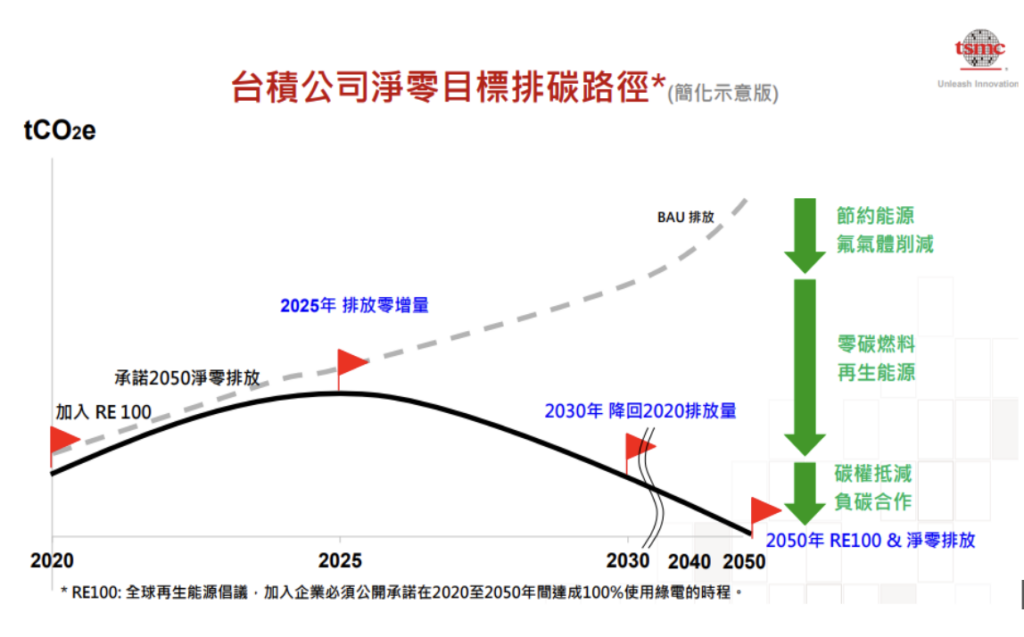
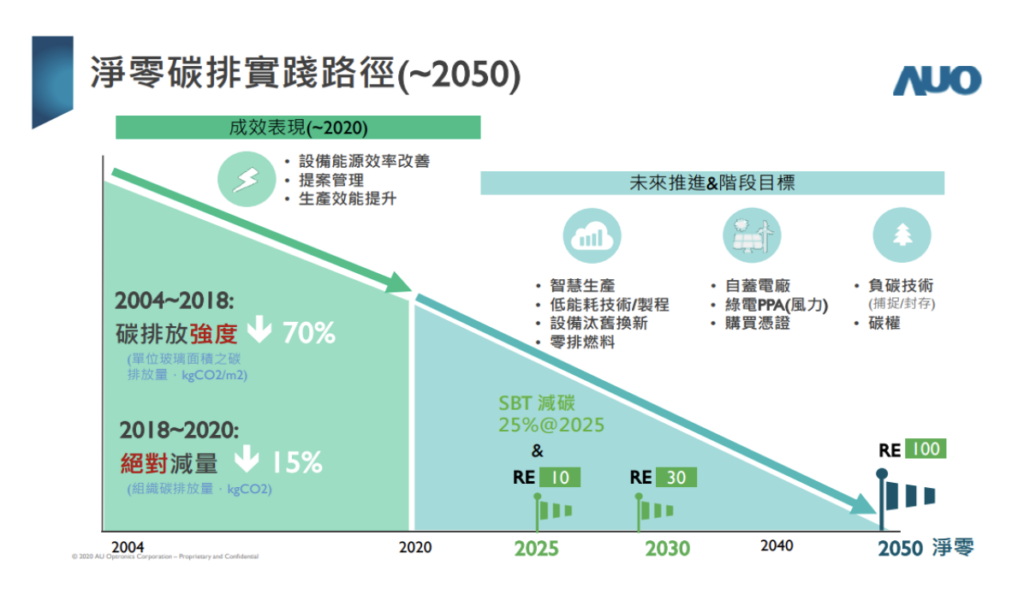
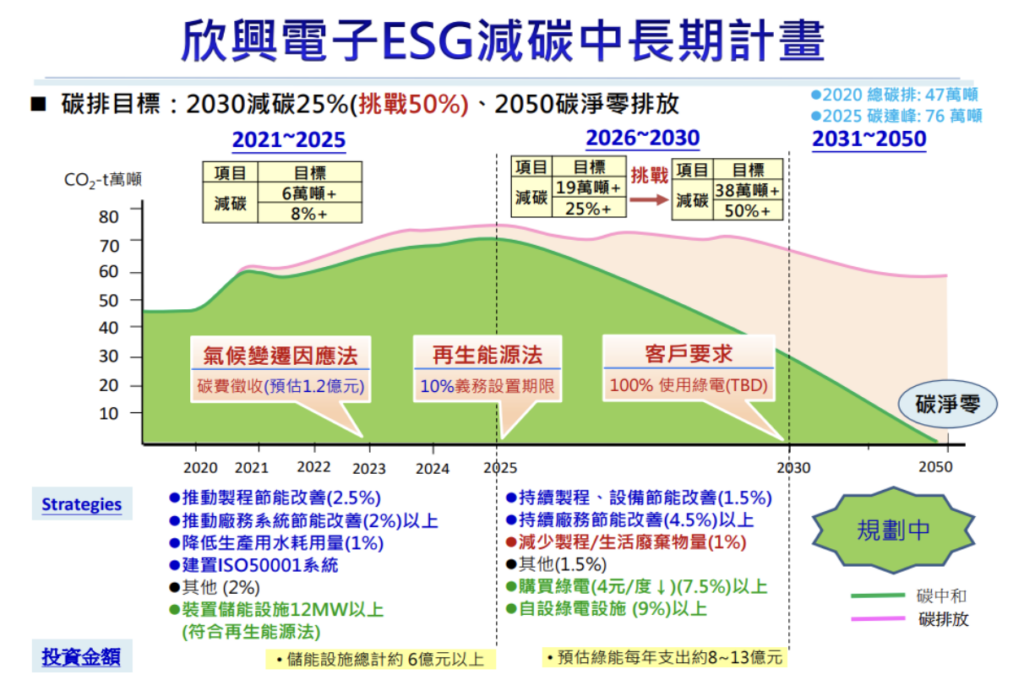
Under the strong leadership of the Ministry of Economy, all enterprises have begun to respond. Here are some successful cases:
One-stop solution provider
Mingzheng Management Consultants give you the most professional guidance and verificationServe
The coaching consultant team includes industry executives, leading auditors of verification companies, industry lecturers, etc., with decades of experience.
Welcome to contact us in the chatbot at the bottom right, or click this phone number directly to call 0921058648!