
What is ESG?
What is ESG? ESG (Environmental, Social, and Governance) is a set of standards for measuring corporate performance, covering three core areas: environmental protection, social responsibility and corporate governance. These standards not only reflect the value of a company beyond its financial performance, but also emphasize its impact on society and the environment. As global attention to sustainable development grows, the importance of the ESG concept is also increasing.
The concept of ESG was first proposed in the 1970s: the earliest concept of socially responsible investment (SRI) emerged, and investors began to consider the social and environmental impact of companies. In 2015, the United Nations adopted the 2030 Agenda for Sustainable Development, which further promoted the implementation of ESG.
ESG (Environmental, Social, and Governance) has three core elements:
- Environmental refers to the importance of environmental protection and sustainable development.
Includes: reducing carbon emissions, improving energy efficiency, promoting green technologies, etc. - Social refers to social responsibility and influence.
Includes: employee benefits, diversity and inclusion, community engagement, etc. - Governance stands for corporate management and transparency.
Includes: board structure, shareholder rights, business ethics, etc.
How do companies implement ESG indicators?
After understanding what ESG is, we will show you how companies should practice ESG indicators when facing issues.
The first point of practicing ESG indicators:Developing an ESG strategy
Companies need to first set clear ESG indicators and goals to ensure that their actions have a specific direction.Internal and External Stakeholder Engagement: Companies should actively communicate with internal employees and external partners to ensure the participation and support of all stakeholders.
The second step in practicing ESG indicators: Implementing ESG measures
Practical measures and case analysis: Companies can implement ESG goals through specific measures, such as promoting green supply chain management, improving workplace safety, and improving governance structures.
The importance of ESG reporting and data disclosure: Regularly publish ESG reports and disclose data on a company’s environmental, social and governance performance to enhance transparency and credibility.
The third step in implementing ESG indicators: monitoring and improvement
Regularly review and update ESG strategies: Companies need to regularly review the implementation of ESG strategies and update them according to the latest industry standards and social expectations.
How to cope with challenges and achieve continuous improvement: Companies need to identify and respond to challenges encountered in the process of practicing ESG, and constantly seek improvement and enhancement.
What isThe United Nations' 17 Sustainable Development Goals (SDGs)s
The United Nations 17 Sustainable Development Goals (SDGs) are 17 global goals adopted by the United Nations General Assembly in 2015, aiming to achieve sustainable development worldwide by 2030.
The relationship between the United Nations’ 17 Sustainable Development Goals (SDGs) and ESG
The SDGs aim to end poverty, protect the planet, ensure shared prosperity for all, and address the world’s major challenges.
The United Nations' 17 Sustainable Development GoalsSDGs
- No Poverty
- Zero Hunger
- Good Health and Well-being
- Quality Education
- Gender Equality
- Clean Water and Sanitation
- Affordable and Clean Energy
- Decent Work and Economic Growth
- Industry, Innovation and Infrastructure
- Reduced Inequality
- Sustainable Cities and Communities
- Responsible Consumption and Production
- Climate Action
- Life Below Water
- Life on Land
- Peace, Justice, and Strong Institutions
- Partnerships for the Goals
How can companies develop goals and policies that are consistent with the SDGs?
Ensure that the company’s strategies are aligned with the SDGs and implement them in daily operations. Participation in social and environmental projects: Companies can participate in or support community projects, environmental protection projects, etc. to directly contribute to the realization of SDGs. Collaborate with other stakeholders: Promote the achievement of sustainable development goals through collaboration with governments, non-governmental organizations, other businesses, etc.
The services we can provide you
ESG strategy formulation: Helping companies design and formulate ESG strategies and goals that are consistent with their business models.
Guidance on the implementation of ESG measures: Provide professional advice and support on the implementation of ESG measures to ensure the implementation of strategies.
ESG reporting and disclosure: Assisting companies in writing and publishing ESG reports to enhance transparency and trust.
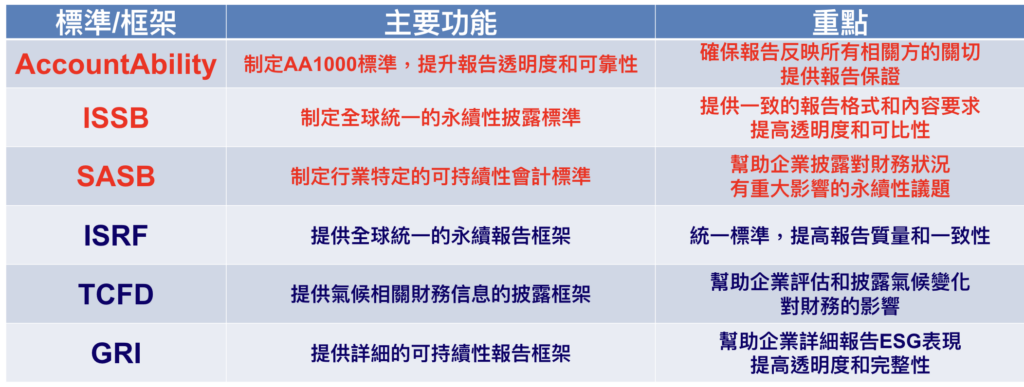
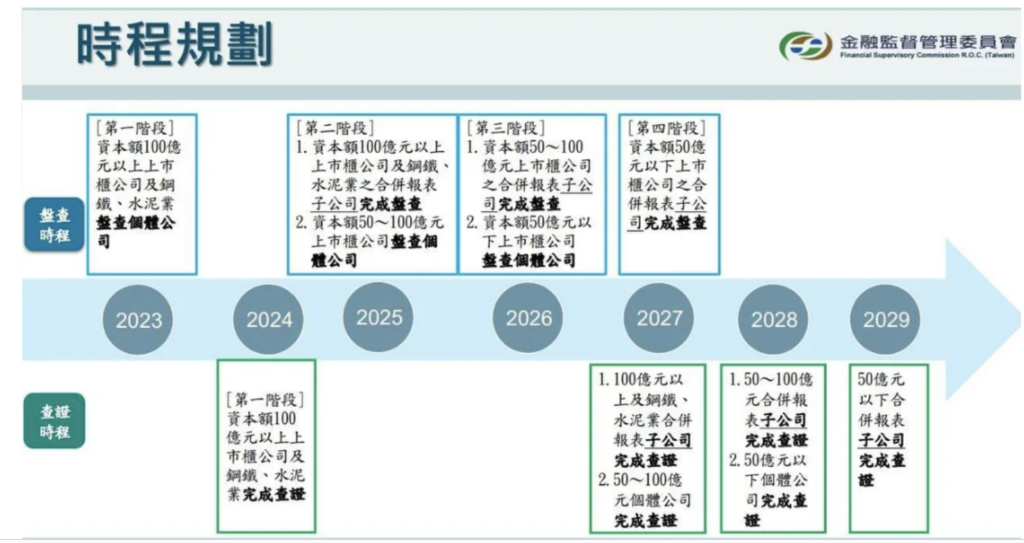
Continuous Improvement Program: Provides a program for regular review and improvement of ESG strategies to help companies meet challenges and continuously improve performance. SDGs-related training and consulting: Provide SDGs-related training and consulting services to companies to help them better understand and implement these global goals. Appropriate timeline planning in line with ESG goals
One-stop solution provider
Mingzheng Management Consultants give you the most professional guidance and verificationServe
The coaching consultant team includes industry executives, leading auditors of verification companies, industry lecturers, etc., with decades of experience.
Welcome to contact us in the chatbot at the bottom right, or click this phone number directly to call 0921058648!