
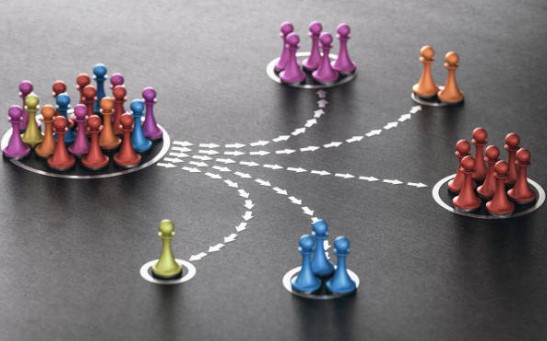
Risks need to be classified, and the categories need to be classified to a certain degree so that actions can be focused and implemented
I was once particularly impressed when I was auditing the risk analysis of an automobile parts processing factory. The risk analysis of this manufacturer listed nearly 100 risks, ranging from the impact of the epidemic on performance to poor employee morale affecting work performance. The results of the brainstorming discussions in each department surprised me at the beginning. The level of risk control was really impressive. However, the interesting thing is that after these risks were listed, there was not a single contingency measure to propose risk reduction plans for these 100 risks.
This is a phenomenon that is very worthy of discussion. After listing all the risks, the management team also admitted that these risks are mixed together, resulting in the only thing that can be done is to leave them alone.
A careful look at the projects they wrote: the financial tsunami, the epidemic affecting performance, delays in shipping containers leading to too much inventory, high staff turnover, and the inability to continue technology all seemed out of their control.
▎Some are world factors, some are internal team factors, and some are competitor factors (stakeholders). When you encounter more complex problems, classification and focusing can quickly help you clarify the level of risk.
Taking this example, we can divide it into the macro environment, the medium environment, and the internal environment.
Next, after the classification and focusing, we can further subdivide the degree or level of these already stratified large projects. The degree or level can be differentiated according to the severity or feasibility of occurrence.
▎Group together these projects that have been completed to different degrees.
Let’s go back to this case and make a distinction between high, medium and low levels. High risk will cause immediate harm, orders will be reduced, and immediate action must be taken.
The Sino-US trade war has affected the growth of performance, the decline of performance, and the loss of talent. It seems that the links are interconnected and cannot be handled, but we first classify them. Because of the impact of Sino-US trade on the overall environment, should the senior management team consider the business shift of the enterprise organization?
The decline in performance has led to the loss of talent. Can this be addressed in the internal environment? Should some actions be taken to stabilize the morale of the team? Going against the trend, increasing talent investment and continuing to recruit talent? Brand building?
As China Environment is squeezed by competitors, it can develop its own core values and enhance customer satisfaction.
A disorganized list can be divided into categories and defined levels, making it easier to come up with actions and then focus on solving them.
Sometimes when we deal with things, we also mix many things together. It is better to try to classify them, and then classify them. After classifying, remember to put the items of the same level together to see if there are any commonalities. These convergence and focusing methods are very practical. It can be very helpful in life or work.