
ISO 9001:2015 is an international standard widely used in quality management. The ISO9001:2015 audit emphasizes that organizations should establish an effective quality management system to ensure that products and services meet customer needs and are continuously improved. Quality does not only refer to manufacturing products, but also includes services and soft demands, so ISO 9001: 2015 is needed in all industries.
Conducting an ISO 9001:2015 audit is a key step in ensuring your organization complies with this standard. This ISO9001:2015 audit key points quick guide provides a summary of ISO 9001:2015 audit clauses and verification standards to help you fully understand the ISO 9001:2015 audit process.
ISO 9001:2015 Audit Focus: Clause Summary
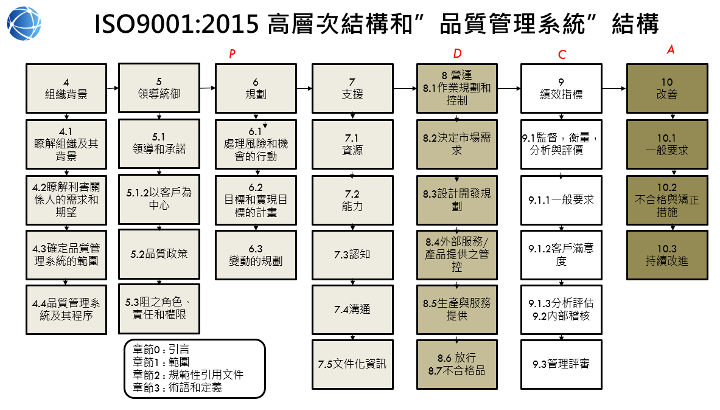
The ISO 9001:2015 standard consists of a series of key clauses covering all aspects of so-called "quality management", such as scope, concepts and definitions, quality management principles, documented management system, risk thinking, leadership and commitment, resource management, risk management, goal setting, maintenance and continuous improvement. A deep understanding of the core points and requirements of these articles is crucial to mastering the key points of ISO9001:2015 audits and successfully conducting ISO 9001:2015 audits.
ISO 9001:2015 Audit Focus: Verification Standards
In progressISO 9001:2015 AuditThere are several key verification items that require special attention. These programs include document control, internal audit, risk management, leadership commitment, knowledge management, risk assessment, performance evaluation, and goal setting. A deep understanding of the requirements and methods of these verification programs can help ensure the compliance and effectiveness of the organization in the audit.
The following is a summary of the important contents of the certification standard based on the ISO 9001:2015 standard clauses:
- Chapter 5: Leadership Commitment
Leadership and commitment are key to ensuring commitment to quality management within the organization. Leadership needs to establish and maintain quality policies and objectives and ensure they are followed and understood within the organization. - Chapter 6: Risk Management
Risk management is the process of identifying and responding to risks in the course of doing business. Organizations need to identify possible risks and opportunities and determine appropriate responses to ensure that risks are kept within control. - Chapter 6: Risk Assessment
Risk assessment is the process of identifying and evaluating possible risks. Organizations need to regularly assess the impact and likelihood of different risks in order to develop appropriate response plans. - Chapter 6: Goal Setting
Goal setting is the process of ensuring that the organization determines and pursues quality goals. The organization needs to establish achievable goals and ensure that they will lead to improvement and growth of the quality management system. - Chapter 7: Document Control
Document control is an important measure to ensure document compliance and updating. Organizations need to ensure that versions, changes, and review status of documents are identifiable, while ensuring that relevant personnel have access to the latest versions of documents. - Chapter 7: Knowledge Management
Knowledge management is to ensure the preservation and inheritance of knowledge within the organization. Organizations need to ensure that critical knowledge is captured and shared to ensure knowledge continuity among personnel. - Chapter 9: Internal Audit
Internal auditing is the process of evaluating the effectiveness of the quality management system. Organizations need to conduct regular internal audits to ensure that the system operates in accordance with standard requirements and makes continuous improvements. Of course, this must be done in conjunction with some plan checklists.
These cross-references map the verification items to the relevant clauses of the ISO 9001:2015 standard, including document control, internal audit, risk management, leadership commitment, knowledge management, risk assessment, performance evaluation, and goal setting, to help you better understand the meaning and requirements of each item in the standard. When conducting an ISO 9001:2015 audit, a systematic process and approach needs to be followed. By clarifying the ISO9001:2015 audit focus, from determining the audit scope and objectives, to conducting on-site audits, to collecting evidence, assessing compliance, and finally writing audit reports and follow-up actions, each step is crucial. The writing of a verification report is one of the important results of the audit process. It should clearly describe the audit activities, problems found, suggested improvement measures, etc.
Conclusion:
ISO 9001:2015 AuditIt is an important procedure to ensure the effectiveness of the organization's quality management system. This articleISO9001:2015 Audit FocusThe quick guide provides a summary of the ISO 9001:2015 audit clauses and verification standards, and introduces the relevant processes and methods. I hope you can use this quick guide to better understand the key points of ISO 9001:2015 audits, thereby improving audit efficiency and results, and injecting new vitality into the organization's quality management system.
Recommended reading:
How to obtain the qualification of internal auditor? Understand the ISO internal auditor conditions and process!
Key strategies for IATF16949 audit: What are the implementation steps? What are the application tips?
One-stop solution provider
Mingzheng Management Consultants give you the most professional guidance and verificationServe